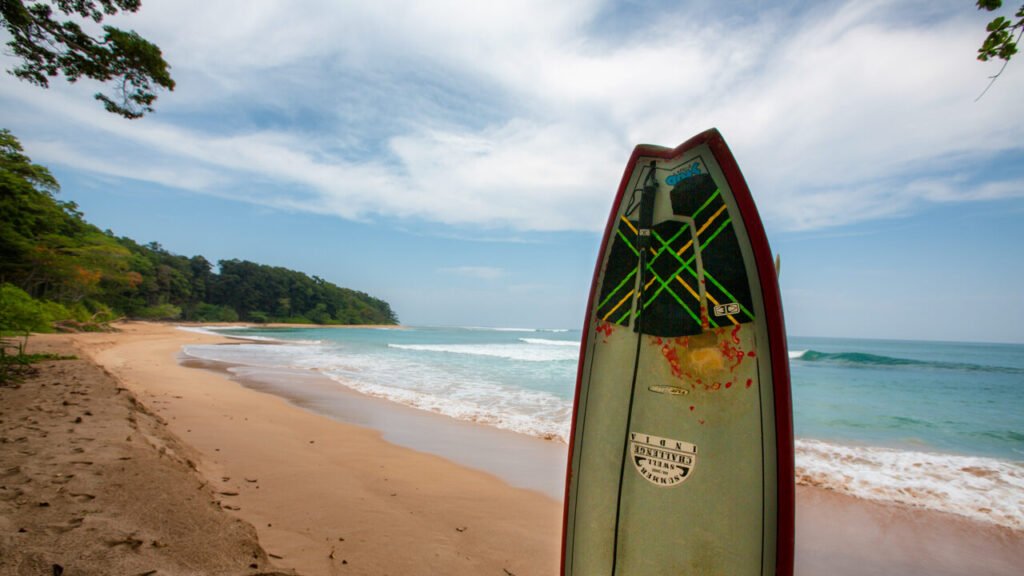
Best Time to Visit Butler Bay Beach, Little Andaman
Butler Bay Beach on Little Andaman is one of the Andaman & Nicobar Islands’ most soulful stretches of sand—an arcing bay bordered by casuarina and coconut groves, with long, open faces of surf and a distinctly off‑grid vibe. Because this southern island lies exposed to the Bay of Bengal’s monsoon winds and swells, timing your visit has a big impact on weather, sea conditions, access, and overall experience.
Quick Answer
December to March is the sweet spot for most travelers: the sea is calmer, rainfall is low, underwater visibility improves, and transport is more reliable. November and April are good shoulder months with warmer, more humid weather and occasional squalls. May to September is the rough, rain‑lashed monsoon period—best avoided unless you’re prepared for heavy showers, strong surf, and frequent ferry cancellations.
How Seasons Shape Your Trip
Core Dry Window: December–March
- Weather: Warm days, cooler evenings; relatively low humidity.
- Sea state: Generally calmer; better for swimming in designated safe zones and for boating when permitted.
- Underwater: Clearer water improves snorkeling and underwater photography at nearby reef patches (always check local guidance).
- Logistics: Ferries/helicopters are more regular; accommodations fill early in late December–January.
Transition Months: November and April
- November: Monsoon withdraws; a few residual showers possible. Fewer crowds, good value.
- April: Hotter, more humid; pre‑monsoon squalls can pop up in the afternoon; water still reasonably calm most days.
Monsoon and Storm Season: May–September (sometimes into October)
- Weather: Heavy rainfall, overcast skies, high humidity.
- Sea state: Rough seas and strong currents; swimming may be restricted and boat trips limited or cancelled.
- Logistics: Ferry disruptions and occasional port closures; many visitors choose to avoid this window.
Month-by-Month Guide
- November: A promising start to the season. Some showers linger, but beaches are quiet and rates moderate. Good for long walks, sunrise photography, and exploratory rides to White Surf and Whisper Wave waterfalls (flow depends on recent rain).
- December–January: Peak holiday season. Pleasant temperatures (typically mid‑20s to low‑30s °C), lighter winds, and clearer water. Ideal for first‑timers, couples, and families who want calmer seas and better reliability in ferries. Book transport and stays early.
- February–March: Often the best overall balance: stable weather, warm but manageable heat, less peak‑season crowding, and good water clarity. Photographers get beautiful golden hours and clean horizons.
- April: Hot and humid, yet still viable. Expect sultry afternoons and the odd thunderstorm. Early mornings and late afternoons are glorious; midday is best reserved for shady siestas.
- May–June: Monsoon builds in. Frequent downpours and rough seas limit swimming and boat access; trails can be muddy. Only for hardy travelers with flexible plans.
- July–August: Deep monsoon. Strong surf, powerful currents, and regular transport disruptions. Beach time can be atmospheric but short between showers; most visitors skip this window.
- September–October: Gradual transition. Some years remain stormy; others see improving conditions by late October. If you gamble on October, keep buffer days for ferries and weather.
Match Your Interests to the Season
For calm seas, swimming, and easy days on the sand
December to March. Always heed local advisories: currents and unexpected swells can occur, and swimming may be restricted in some sections depending on safety notices.
For snorkeling and underwater visibility
January to March typically offers the clearest water and more settled surface conditions. Bring a rash guard, reef‑safe sunscreen, and avoid touching corals or disturbing marine life.
For surfing
Butler Bay has long, open faces and can produce quality waves. For most visiting surfers, December to April tends to bring more manageable, cleaner conditions. The monsoon (May–September) can be powerful but messy and risky, with logistical challenges. If you’re chasing waves, come experienced, bring spares, and be self‑sufficient.
For wildlife moments
Little Andaman’s beaches and nearby islands see turtle nesting activity roughly December to March (varies by year and beach). Follow strict protection norms: keep distance, no lights or flash, and never enter restricted areas. Ask local authorities or guides about current regulations and viewing etiquette.
For photographers
November, February, and March deliver painterly sunrises/sunsets with fewer crowds. Monsoon months offer dramatic cloudscapes but bring gear protection challenges and limited access.
Crowds and Prices
- Peak: Late December to early January—limited rooms, higher rates, and busier ferries.
- Shoulder: November and February–April—great value and availability while retaining good weather.
- Off‑season: May–September—lowest rates but weather and access are major trade‑offs.
Access and On‑Island Logistics: Why Timing Matters
- Getting there: Travel is typically via ferry from Port Blair to Hut Bay (Little Andaman) or limited helicopter services. Monsoon conditions often cause delays or cancellations. Build buffer days into your itinerary, especially outside peak dry months.
- Permits and restrictions: Regulations can change. Parts of Little Andaman are tribal reserve with strict access and photography restrictions. Always check the latest advisories with the Andaman & Nicobar Administration and respect all no‑go zones.
- Facilities: Little Andaman is simpler and less commercialized than Havelock/Neil. Power cuts, spotty mobile data, and limited ATMs are common—more noticeable in the monsoon.
Safety Considerations by Season
- Sea conditions: Even in the dry season, rips can form. Swim only where locals advise is safe; avoid entering the water during rough days.
- Saltwater crocodile advisories: The Andamans occasionally report sightings, including on remote and mangrove‑fringed shores. Obey signage, avoid swimming near river mouths or mangroves, and steer clear at dawn/dusk.
- Weather and storms: Cyclonic systems are more likely around late October–November and sometimes in April–May. Keep an eye on forecasts and follow official guidance.
- Monsoon travel: Slippery trails, reduced visibility, and strong surf increase risk. If you visit then, keep itineraries flexible and conservative.
Packing by Season
December–March
- Light cotton/linen clothing; a light layer for breezy evenings
- Reef‑safe sunscreen, hat, polarized sunglasses
- Water shoes or sturdy sandals; basic snorkel set if you prefer your own
- Dry bag for cameras/phones on boat days
November and April
- All of the above, plus an extra hydration plan (electrolytes) and a compact umbrella
- Insect repellent for post‑rain evenings
May–September
- Quick‑dry clothing, lightweight rain jacket, waterproof covers for bags
- Anti‑slip footwear and spare socks
- Patience and a good book for weather delays
Responsible Travel and Seasonal Etiquette
- Leave no trace: Carry out all waste; avoid single‑use plastics.
- Respect wildlife: No flash or torching of nesting beaches; keep buffers from turtles and shorebirds.
- Cultural sensitivity: Do not attempt contact with Indigenous communities; respect restricted zones and photography bans.
- Reef‑safe choices: Use mineral sunscreens and avoid standing on coral.
When Not to Go
If your priority is reliable ferries, calm seas, and sunny beach days, avoid May through September. Also consider steering clear of late December–New Year’s if you dislike crowds and peak prices; opt for early December or mid‑January to March instead.
Bottom Line
To experience Butler Bay Beach at its best—long languid walks, mellow surf lines, and clear, inviting water—plan for December to March, with February–March often edging out as the most consistently rewarding. Choose November or April for value and fewer people, and keep the monsoon months for a future trip if you’re drawn to moody seascapes and don’t mind weather‑related curveballs.