
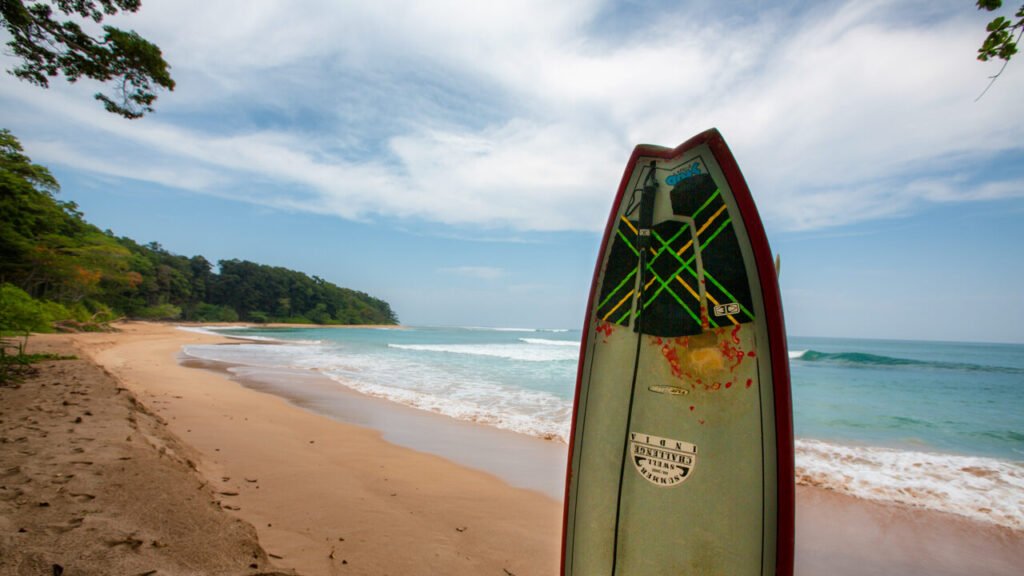
Butler Bay Beach on Little Andaman Island has evolved from a rugged, remote shoreline into a quiet icon of low-key, nature-based tourism in the Andaman and Nicobar Islands of India. Framed by dense tropical forest and long, curving sands, the bay is known for its surfable waves, solitude, and a slow pace that stands in contrast to more developed island hubs. Its tourism story intertwines with indigenous heritage, colonial-era mapping, post-independence settlement, major natural events, and changing policy regimes.
Little Andaman lies to the south of the main Andaman archipelago, with Hut Bay (the principal settlement and jetty) providing the primary gateway. Butler Bay sits a short drive from Hut Bay, opening westward to the Indian Ocean. The beach is a long crescent with shifting sand profiles, scattered driftwood, and nearshore reefs in places. Conditions vary markedly with season, making the bay alternately calm, surfable, or wind-swept.
Little Andaman is home to the Onge, one of the Indigenous communities of the Andaman Islands. Their ancestral ties to the land and sea predate any tourism activity. Today, tribal reserves are legally protected and off-limits to visitors; tourism must respect these boundaries. Responsible travel on Little Andaman therefore focuses on designated public areas such as Hut Bay and beaches like Butler Bay, while recognizing and honoring Indigenous rights and privacy.
The name “Butler Bay” reflects British-era surveying and naming conventions across the Andaman Islands. While the specific etymology is not firmly established in public sources, the bay’s label appears on historical nautical charts and administrative records from the colonial period. These names persisted into post-independence maps and continue to frame visitor perception and navigation.
After India’s independence, the Andaman and Nicobar Administration developed basic transport links, forestry outposts, and agricultural/plantation initiatives on Little Andaman. Hut Bay grew as an administrative and commercial node, with a jetty and limited services. A rudimentary road network later connected Hut Bay to sites like Butler Bay Beach, laying the groundwork for future recreational access even though formal tourism remained sparse for decades.
For many years, Little Andaman saw few leisure travelers. Those who did arrive were typically adventurous backpackers, anglers, or divers exploring beyond the better-known islands, as well as occasional government staff posted in Hut Bay. Butler Bay’s long, comparatively undeveloped shoreline offered solitude rather than structured tourism.
Gradually, word-of-mouth among surfers and independent travelers highlighted Butler Bay’s potential for uncrowded waves and quiet beaches. Small, seasonal guesthouses and basic eateries emerged in and around Hut Bay, with informal excursions to the beach. The area’s remoteness remained its defining feature.
The 2004 tsunami severely impacted Little Andaman, damaging infrastructure at Hut Bay and altering shorelines, including Butler Bay. Tourism—already minimal—paused as communities focused on relief and rebuilding. Over subsequent years, roads and jetties were repaired, and essential services resumed. The beach itself experienced natural reshaping as currents and storms reworked sandbars and coastal vegetation.
Through the 2010s, Butler Bay returned to traveler itineraries, particularly for those seeking surf, nature walks, and quiet beaches. Simple guesthouses, homestays, and occasional government-backed tourist huts appeared intermittently, with varying levels of operation depending on season, maintenance, and weather impacts. The tone remained low-impact and nature-led, with minimal commercial activity on the beach itself.
Administrative reforms and evolving permit guidelines across the Andaman Islands broadened access for domestic and international visitors in certain zones while maintaining protections for tribal reserves and sensitive habitats. On Little Andaman, this translated into modest increases in visitor interest at Butler Bay, balanced by continued emphasis on conservation and community sensitivity. Travelers are advised to check the latest rules on entry, photography restrictions in protected areas, and any seasonal closures.
Important: Sea and air services can be disrupted by monsoon weather or cyclones. Always verify current schedules and conditions before travel.
Tourism at Butler Bay is modest in scale. When visitors choose local transport, homestays, eateries, and guides, economic benefits can complement fishing, agriculture, and public-sector employment in and around Hut Bay. The small scale also means that visitors should be self-sufficient, patient with variability in services, and considerate of local routines and resource constraints.
In the decades following independence, reaching Butler Bay required persistence and time. Visitors often encountered an unmarked, near-empty beach, with driftwood scattered along the high-tide line and no formal facilities. The appeal was the feeling of discovery and the rawness of the landscape.
Today, the beach remains quiet by the standards of mainstream island tourism. A simple day at Butler Bay might include a forest-fringe walk, time in the water when conditions permit, and a sunset watched in the company of a few other travelers and local families. Its appeal is still defined by space, simplicity, and an unhurried atmosphere.
The history of Butler Bay Beach as a tourism destination is one of restraint—of letting nature lead, learning from shocks like the 2004 tsunami, and shaping visitor activity around ecological and cultural sensitivity. As interest in lesser-known islands grows, the bay’s future depends on maintaining a small footprint, supporting local communities, and adhering to the protective frameworks that keep Little Andaman’s wild character intact.
From colonial-era charts to contemporary guidebook whispers, Butler Bay Beach has moved quietly through history, welcoming travelers who value solitude, surf, and unmanicured coasts. Its tourism narrative—interwoven with Indigenous presence, administrative change, and environmental forces—offers a model for low-impact island travel where conservation and community take precedence over rapid development.
What makes us different from other tour package companies
Our travel experts have core and intense knowledge about Andaman sector with over 10 years of experience that will help you choose the best possible itinerary as per your requirements.
Our travel experts are just one call away during your tour to help you with any kind of immediate assistance so that your tour is a more enjoyable and hassle-free tour.
eAndamanTourism ensures best rates to all our esteemed guests since we have our own hotels and fleet of vehicles and drivers and there is no third-party involvement. This ensures personalized service and best rates.


Kindly enter the details below for your Andaman Tour Package


