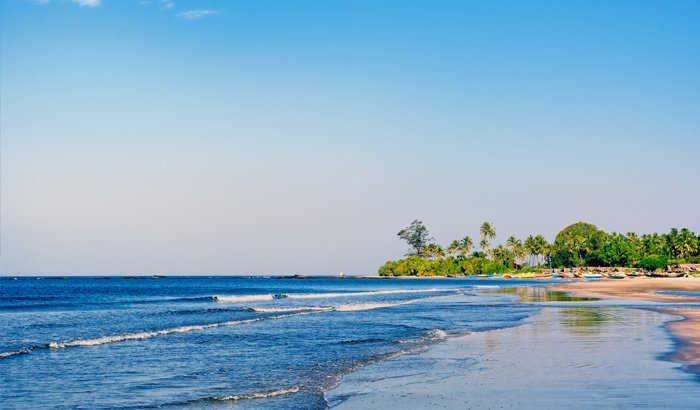
Best Time to Visit Laxmanpur Beach, Neil Island (Shaheed Dweep)
Laxmanpur Beach on Neil Island (officially Shaheed Dweep) is famed for two signature experiences: the sweeping sunset panorama at Laxmanpur Beach No. 1 and the striking Natural Bridge rock formation (also called Howrah Bridge) at Laxmanpur Beach No. 2, best seen at low tide. Planning your visit around seasons, tides, and time of day will elevate your experience from good to unforgettable.
Quick Answer
- Overall best months: November to February for the most pleasant weather, clear skies, calmer seas, and gorgeous sunsets.
- Great shoulder windows: October and March–April (warmer than winter but usually before heavy rains), with fewer crowds than peak season.
- Least favorable: June to September (Monsoon) due to frequent showers, rough seas, occasional ferry cancellations, and reduced visibility for water activities.
- Best time of day: Late afternoon to sunset at Laxmanpur Beach No. 1; low tide (often morning) for the Natural Bridge at Laxmanpur Beach No. 2.
Climate and Seasons at a Glance
- Winter (Nov–Feb): Pleasant, breezy, typically 23–28°C. Clearer skies and calmer seas make it ideal for sunsets, coastal walks, and inter-island ferry reliability.
- Summer (Mar–May): Warm to hot, around 26–32°C with higher humidity. Good for beach time; carry sun protection and hydrate well.
- Monsoon (Jun–Sep): Periodic to heavy rainfall, choppy seas, and potential disruptions to ferries and water activities. Lush scenery but variable conditions.
Season-by-Season Guidance
November to February (Peak Pleasant)
Why it’s best: Comfortable temperatures, great sunsets, greener island scenery after monsoon, and relatively good sea conditions. Photographers love the soft winter light.
- Pros: Consistent sunsets, minimal rainfall, better road and ferry reliability, active local tours.
- Cons: Higher demand around Christmas–New Year and long weekends; book ferries and stays early.
March to April (Warm Shoulder)
Why it’s still good: Longer daylight, clear evenings, fewer crowds than winter peak. Good for short swims and shore exploration.
- Pros: Easier availability, good sunsets, vibrant blues in clear weather.
- Cons: Heat and humidity build-up; plan beach time for early morning or late afternoon.
May (Hot Pre-Monsoon)
What to expect: Hottest month, but sunsets can be dramatic. If you tolerate heat well and plan around midday, it remains feasible.
- Pros: Lower crowd pressure, potential deals on stays.
- Cons: Intense sun; carry hats, SPF 50+, and drink plenty of water.
June to September (Monsoon)
Considerations: Rain spells, slippery trails, strong currents, and possible ferry schedule changes. Natural Bridge access depends on tide and safety conditions.
- Pros: Lush landscapes, peaceful ambience, potential off-season pricing.
- Cons: Unreliable sunsets due to cloud cover, limited water activities, and occasional cancellations.
October (Post-Monsoon Reset)
Why it’s promising: The island turns fresh and green, skies begin to open up, and seas gradually calm. A lovely shoulder period before peak.
- Pros: Good balance of weather and availability, softer light for photography.
- Cons: Some residual showers possible early in the month.
Month-by-Month Snapshot
- Jan–Feb: Prime conditions; cool evenings; book early.
- Mar–Apr: Warm but manageable; great sunsets; fewer crowds than winter.
- May: Hot; plan activities at the edges of the day; carry sun protection.
- Jun–Sep: Rains and rougher seas; expect flexibility in plans.
- Oct: Green and improving weather; good photographs; increasing ferry reliability.
- Nov–Dec: Return to excellent conditions; festive-season rush late December.
Timing Within the Day
Laxmanpur Beach No. 1 (Sunset Point)
- Best window: About 60–90 minutes before sunset to enjoy changing colors and find a comfortable spot on the wide shell-strewn beach.
- Sunset range: Typically between 5:00 pm and 5:45 pm through the year; confirm locally on the day.
- Tips: Wear sturdy sandals (coral and shells can be sharp), carry a light jacket in winter evenings, and keep a flashlight for the walk back.
Laxmanpur Beach No. 2 (Natural Bridge)
- Best window: Low tide, often in the morning. At low tide, tidal pools, corals, and the arch are most accessible and photogenic.
- How to plan: Check the tide chart a day prior (ask your stay or local guides). Arrive early to beat crowds and to have time to explore responsibly.
- Safety: Rocks can be slippery; avoid stepping on live coral; heed local guidance if sea conditions change.
Activities and Their Ideal Seasons
- Sunset viewing: Best Nov–Apr; can be moody and dramatic May; variable during monsoon.
- Shore exploration and photography: Excellent Oct–Apr, especially at low tide near the Natural Bridge.
- Casual swimming and beach walks: Prefer mornings and late afternoons year-round, avoiding rough-sea days (common in monsoon).
- Day trips and inter-island ferries: Most reliable Nov–Apr; always verify schedules in monsoon.
Crowds, Costs, and Booking
- High demand: Late Dec–early Jan, long weekends, and school holiday periods. Book ferries and accommodations in advance.
- Shoulder season value: Oct–Nov (early) and Mar–Apr often balance good weather with better availability and rates.
- Off-season deals: Jun–Sep may bring lower rates, but plan with flexibility due to weather-related changes.
Logistics and Practicalities
- Getting there: Neil Island is connected by ferries from Port Blair and Havelock (Swaraj Dweep). Weather can affect schedules; always reconfirm timings, especially in monsoon.
- Local transport: Autos, taxis, rental two-wheelers, and bicycles are common. Roads to Laxmanpur are straightforward; start early for Natural Bridge.
- Permits and advisories: Carry valid ID and check the latest travel and entry guidelines from the Andaman & Nicobar authorities before your trip.
- Connectivity: Mobile data can be patchy. Download offline maps and tide information in advance.
What to Pack (Season-Savvy)
- Year-round: Reef-safe sunscreen, hat, sunglasses, refillable water bottle, lightweight breathable clothing, sturdy sandals for rocky sections.
- Winter (Nov–Feb): Light evening layer, compact flashlight/headlamp for post-sunset walks.
- Summer (Mar–May): Extra hydration salts, cooling towel, UV-protective clothing.
- Monsoon (Jun–Sep): Quick-dry wear, rain jacket, anti-slip footwear, dry bags for electronics.
Responsible and Safe Visiting
- Respect marine life: Do not touch or step on corals; avoid removing shells or creatures from tidal pools.
- No littering: Carry back all waste; minimize single-use plastics.
- Swim smart: Observe flags and local advice; currents can be strong, especially during monsoon or rough-sea days.
- Stay on marked paths: For the Natural Bridge, follow designated routes to protect fragile ecosystems and ensure safety.
FAQs
When is the absolute best time to visit Laxmanpur Beach?
November to February offers the most reliable mix of great weather, beautiful sunsets, and calmer seas.
Is monsoon season worth it?
If you value solitude and lush scenery and can be flexible, yes. But expect potential rain, reduced water activities, and ferry changes. Sunsets may be obscured by clouds.
How long should I allocate?
Plan half a day minimum: morning or midday at the Natural Bridge (low tide) and late afternoon to sunset at Laxmanpur Beach No. 1. Many travelers spend 1–2 nights on Neil Island to enjoy multiple tide and sunset windows.
Any timing hacks?
- Check tide charts and schedule the Natural Bridge for low tide.
- Arrive at sunset point 60–90 minutes early for the best light and space.
- Choose weekdays outside school holidays for fewer crowds.
Bottom Line
For the quintessential Laxmanpur Beach experience—fiery sunsets at Beach No. 1 and vivid tidepool explorations at the Natural Bridge—aim for November to February, with October and March–April as excellent second choices. Plan around low tide for the Natural Bridge and around sunset for Beach No. 1, and you’ll catch Laxmanpur at its absolute best.