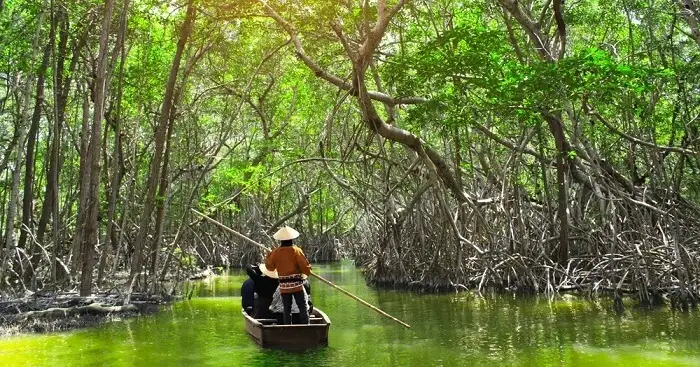
Best Time to Visit the Mangrove Boat Ride, Baratang Island (Andaman & Nicobar Islands)
The mangrove boat ride at Baratang Island is one of the Andamans’ signature experiences, gliding through cathedral-like mangrove creeks en route to the famous limestone caves and secluded channels. Because this activity depends on weather, tides, and daylight, choosing the right season and time of day can dramatically improve comfort, safety, and the overall magic of the journey.
Quick Answer: The Best Time at a Glance
November to April is widely regarded as the best time to visit for calm seas, clearer skies, and reliable boat operations. Within this window, the sweet spot is mid-November to March, with especially comfortable conditions in January–February. Aim for an early morning ride for cooler temperatures, softer light, and better wildlife and bird activity.
Why These Months Are Ideal
- Dry, stable weather: Fewer cancellations and smoother navigation through narrow mangrove channels.
- Calmer seas: More comfortable inter-island transfers and less wind-driven chop.
- Better visibility: Clearer skies enhance photography in shaded creeks and at the limestone caves.
- Comfortable temperatures: While the tropics remain warm year-round, winter months feel less oppressive.
Season-by-Season and Monthly Guide
Peak (Best) Season: November to April
- November: Transition from post-monsoon; occasional showers possible. Lush landscapes, moderate crowds.
- December–January: Prime weather, busiest weeks around holidays; book boats and transfers early.
- February: Excellent balance of clear weather and manageable crowds; very popular with photographers.
- March–April: Warmer, but seas remain relatively calm; great for early morning rides.
Shoulder/Variable Months
- October: Improving conditions, but sporadic rain and swells may occur. A good value month if you’re flexible.
- May: Hot and humid; pre-monsoon showers and thunderstorms can cause sudden disruptions.
Monsoon/Off-Season: June to September
- June–September: Frequent rain, strong winds at times, and possible operational suspensions for safety. The creeks look wild and dramatic, but plans must remain flexible. Travelers who do visit should expect possible last-minute cancellations.
Best Time of Day for the Mangrove Ride
Early Morning (about 6:00–9:00 AM)
- Top choice: Cooler temperatures, gentler light under the canopy, and better chances of birdlife activity.
- Less crowding: Earlier departures help you stay ahead of peak traffic to the limestone caves.
Late Morning to Midday (about 10:00 AM–2:00 PM)
- Harsh sun: Heat and glare increase, which can be tiring and reduce photo quality.
- More boats: Expect busier creeks and queues at popular stops in peak months.
Afternoon (about 2:00–4:00 PM)
- Watch the clock: Ensure you’re back comfortably before closing hours or any scheduled road passages.
- Weather caveat: In the wetter months, afternoon showers or thunderstorms are more likely.
Tides and Creek Conditions
While boats operate across different tide levels, the ride is often smoothest from about 2 hours before to 2 hours after high tide, when channels are fuller and roots less exposed. At very low tide, boats may need to slow down or navigate narrow passages more carefully. Local boatmen monitor the tide charts daily—ask your operator to align your departure accordingly for the best experience.
Weekdays vs. Weekends and Holidays
- Weekdays: Generally fewer visitors, shorter waits, and quieter creeks.
- Weekends/public holidays: Higher demand. Book boats in advance and start early to avoid queues.
- Year-end/New Year and long weekends: Peak pricing and limited availability; plan well ahead.
How Much Time to Allocate
- From Baratang jetty: Plan roughly 3–4 hours for the mangrove boat ride plus time at the limestone caves and basic breaks.
- From Port Blair (day trip): Expect a full-day excursion (10–12 hours), including overland travel and waiting windows. Start very early.
Planning Notes: Access, Timing, and Regulations
Reaching Baratang by road typically involves a passage on the Andaman Trunk Road with regulated sections through a protected reserve. Escorted passage timings and procedures may change; always confirm the latest schedule with your tour operator or local authorities before you travel. Do not photograph or interact with indigenous communities and follow all posted rules strictly.
Permits and ID
- Carry a government-issued photo ID. Your operator usually arranges relevant local permissions for the boat ride and cave visit.
- Regulations evolve; verify current requirements a day or two before your trip.
What to Pack (Season-Savvy)
- Essentials: Hat, sunglasses, reef-safe sunscreen, light long sleeves, drinking water.
- Footwear: Comfortable sandals or closed shoes with good grip for cave pathways.
- Monsoon/shoulder months: Compact rain jacket, quick-dry clothing, a small dry bag for electronics.
- Insect precautions: Mosquito repellent for shaded areas; avoid perfumes that attract insects.
- Camera care: Microfiber cloth for humidity and drips in the creeks.
Safety and Comfort Timing Tips
- Life jackets: Wear them throughout the boat journey.
- Hydration and heat: Early starts reduce heat stress; keep sipping water.
- Wildlife respect: Do not dangle hands near the water or feed animals; saltwater crocodiles are native to these habitats.
- Footing: Paths near the caves can be uneven; move carefully, especially after rain.
Special Interests: When to Go
For Photographers
- Best months: December to March for clear light and fewer rain interruptions.
- Best time: Early morning for soft, dappled light and calm reflections in the creeks.
For Families and Seniors
- Best months: November to February for comfort.
- Plan: Start early to avoid heat and crowds; confirm boat types with handrails and ensure help for boarding.
For Birders and Nature Lovers
- Best months: November to April, with lively mornings for kingfishers, herons, and other mangrove species.
- Tip: Go quiet and slow; ask for a slightly earlier or later slot around high tide for elevated vantage points over roots.
If You Can Only Visit in Monsoon
- Flexibility is key: Weather can force last-minute cancellations; keep extra buffer days.
- Safety first: Follow operator guidance on wind, rain, and tide advisories.
Responsible Timing and Low-Impact Travel
- Choose off-peak hours or weekdays to reduce pressure on narrow creeks and cave pathways.
- Leave no trace: Carry back all waste; plastics are harmful in mangrove ecosystems.
- Quiet observation: Lower noise equals better wildlife sightings and less disturbance.
FAQ: Best-Time Essentials
Is early morning always better?
Yes, generally. Cooler temperatures, softer light, and fewer boats make for a more serene ride and better photos.
Which month offers the most reliable operations?
December to February typically provide the most consistent conditions, though November and March–April are also excellent.
Do tides really matter for tourists?
They do. While boats operate at various tide levels, planning near high tide often means smoother, faster passages and an easier experience around exposed roots and mudflats.
Will rain ruin the experience?
Light showers won’t, but heavy or prolonged rain can force delays or cancellations for safety. The risk is highest from June to September.
How far in advance should I book in peak season?
For late December and early January, secure your tour and transfers at least 2–4 weeks in advance. For the rest of November–April, a week or two usually suffices.
Bottom Line
For the most rewarding mangrove boat ride at Baratang Island, visit November to April and aim for an early-morning departure, ideally aligned with a favorable tide. This timing maximizes comfort, minimizes crowds, and lets the tranquil magic of the mangrove canopy unfold at its best.