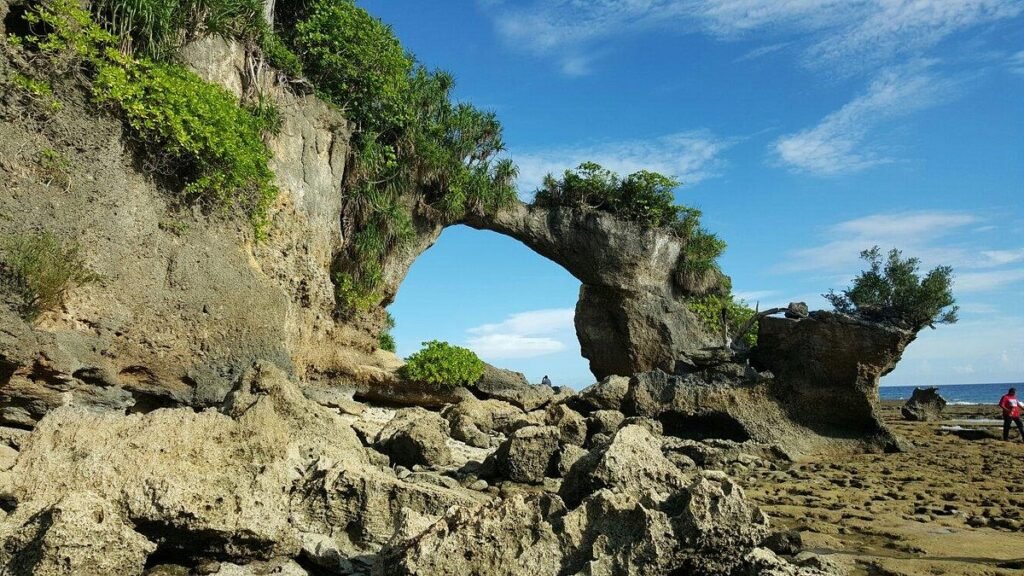
Best Time to Visit Natural Rock Bridge, Neil Island (Shaheed Dweep)
The Natural Rock Bridge—popularly called Howrah Bridge by locals—is the signature landmark of Neil Island (officially Shaheed Dweep) in the Andaman & Nicobar Islands. This limestone arch sits along the reef flat near Laxmanpur Beach No. 2, and its visibility depends entirely on the tides. To experience the arch up close, discover tide pools teeming with marine life, and capture great photos, timing your visit is crucial.
The Quick Answer
Best overall months: November to April (dry season), with December–February offering the most comfortable weather and clearest skies.
Best time of day: Around low tide—ideally from about 60–90 minutes before low tide to 60 minutes after low tide. If this coincides with early morning or late afternoon, you’ll also enjoy softer light and fewer crowds.
Seasonality Overview
Peak Dry Season (November–February)
- Why it’s great: Pleasant temperatures, lower humidity, clearer skies, vibrant sunsets, and more reliable ferries.
- What to note: Peak holiday periods (late December–early January, some long weekends) can bring crowds. Book ferries and stays in advance.
Late Dry / Pre-Monsoon (March–May)
- Why it’s great: Seas are generally calm; underwater visibility is good; tides still favorable.
- What to note: Hotter afternoons and higher humidity; plan visits in the early morning or late afternoon low-tide windows.
Southwest Monsoon (June–September)
- Pros: Lush scenery and fewer visitors.
- Cons: Frequent rain, slippery reef flats, rougher seas, possible ferry disruptions, and overcast skies. Only visit if tides and conditions are safe.
Post-Monsoon Shoulder (October)
- Why it’s good: Transition to clearer weather; lighter crowds compared to peak season.
- What to note: Occasional showers; check tides and forecasts closely.
Tides: The Single Biggest Factor
The Natural Rock Bridge is best appreciated at low tide, when the reef flat emerges and a safe approach route is exposed. At mid to high tide, water obscures the path, waves surge through channels, and footing becomes hazardous. A little planning ensures a rewarding visit.
How to Plan Your Visit Around Tides
- Step 1: Look up tide tables for Shaheed Dweep/Neil Island or Port Blair (the difference is usually small). Use reliable online tide charts or ask your accommodation/dive shop.
- Step 2: Target a window from 60–90 minutes before the listed low tide to 60 minutes after. This allows time to approach, explore tide pools, and photograph the arch.
- Step 3: Allocate 45–90 minutes on-site. Start heading back before the tide turns if the reef flat begins to flood.
- Step 4: If low tide falls after dark, consider visiting the next day; walking on wet coral at night is risky.
Ideal Daily Timing
- Early morning low tide: Best for cooler temperatures, soft light, and quieter paths; combine with breakfast afterward.
- Late afternoon low tide: Great for warm “golden hour” light; stay mindful of the incoming tide and fading light as sunset approaches.
- High tide: Limited access; you may glimpse the arch from a distance but cannot safely explore the reef flat.
Checking Tides Made Simple
- Use trusted tide apps or websites and select the nearest station (Neil Island/Shaheed Dweep or Port Blair).
- Note the lunar cycle: spring tides around full and new moons create bigger tidal ranges, exposing more of the reef but bringing stronger currents as the tide turns.
- Confirm locally on the day, as wind and pressure can subtly affect water levels.
Crowds, Ferries, and Timing
Neil Island receives both overnight visitors and day-trippers from Port Blair. Crowds at the arch tend to swell when ferry arrivals coincide with low tide, usually late morning to mid-afternoon.
- To avoid crowds: Aim for early morning low tides or weekdays. Arrive just before the low-tide window opens.
- Peak periods: Christmas–New Year, Diwali, Easter, and long weekends. Book ahead and plan early visits.
- Monsoon caveat: Ferry schedules can be disrupted; always check the latest advisories.
Photography and Light
- Best light: Early morning or late afternoon low tides provide soft, directional light and reflections in the tide pools.
- Gear tips: A wide-angle lens or phone panorama captures the full arch; a circular polarizer reduces glare on wet rock and water.
- Composition: Use tide pools for foreground interest; shoot from a low angle to emphasize the arch’s span.
- Etiquette: Avoid stepping on live coral for the sake of a shot; stick to bare rock and sand patches.
Weather and Sea Conditions: What to Expect
- Temperature: Generally warm year-round. Cooler nights in Dec–Feb; hottest months are Apr–May.
- Rainfall: Heaviest from June to September; showers possible in October and occasionally in May.
- Humidity: Moderate to high; carry water and sun protection.
- Sea state: Calmer and clearer in the dry months; rougher with reduced visibility during monsoon.
Month-by-Month Planner
- November: Start of prime season; improving clarity and comfortable days.
- December–January: Peak conditions; plan early for accommodation and ferries. Superb low-tide mornings.
- February: Excellent weather with slightly thinner crowds than late December.
- March: Warm but manageable; aim for sunrise or late-afternoon low tides.
- April–May: Hot and humid; time your visit to cooler hours and hydrate well.
- June–August: Monsoon; only visit if conditions are safe and tides favorable. Extra caution on slippery surfaces.
- September: Late monsoon; intermittent showers; watch for swell.
- October: Shoulder season; weather stabilizing and crowds still moderate.
Safety and Environmental Etiquette
- Footwear: Wear sturdy reef shoes or closed-toe sandals with good grip; the reef flat is uneven and sharp.
- Slippery rocks: Algae, wet coral, and surge channels can be slick. Move slowly and avoid stepping on live coral.
- Do not climb the arch: The structure is fragile and can be dangerous when wet.
- Tide awareness: Keep an eye on the water level; begin returning before the tide turns.
- Marine life: Look, don’t touch—urchins, sea cucumbers, and small fish inhabit the pools. Watch where you place hands and feet.
- Sun and heat: Use reef-safe sunscreen, wear a hat, and carry water.
- Leave no trace: Pack out all litter; single-use plastics are discouraged on the islands.
Combining Your Visit
- Laxmanpur Beach No. 1: Famous for sunset; pair with an afternoon low tide at the arch if timings align.
- Sitapur Beach: Beautiful sunrise; ideal if morning low tide is too late for cooler hours.
- Bharatpur Beach: Snorkeling and glass-bottom boats; visit when the arch is at high tide and return later for low tide.
Access and Time Needed
- Trailhead: Near Laxmanpur Beach No. 2; short walk through coastal vegetation leads to the reef flat.
- Walking time: About 10–20 minutes each way over uneven coral and rock (longer if you stop for photos).
- Total time on-site: 45–90 minutes is typical; extend if exploring tide pools during a longer low-tide window.
- Accessibility: Not suitable for wheelchairs or those with limited mobility due to uneven terrain.
In a Nutshell
- Best months: November–April (top pick: December–February).
- Best tide window: 60–90 minutes before to 60 minutes after low tide.
- Best light: Early morning or late afternoon.
- Avoid: High tide, heavy rain days, and attempting the walk after dark.
- Essentials: Reef shoes, water, reef-safe sunscreen, and respect for the fragile marine ecosystem.
Final Tip
Check the tide chart first, then build the rest of your Neil Island day around that low-tide window. With the right timing, the Natural Rock Bridge is one of the Andamans’ most memorable coastal experiences.