FAQs About Natural Rock Bridge, Neil Island (Shaheed Dweep) for Travelers
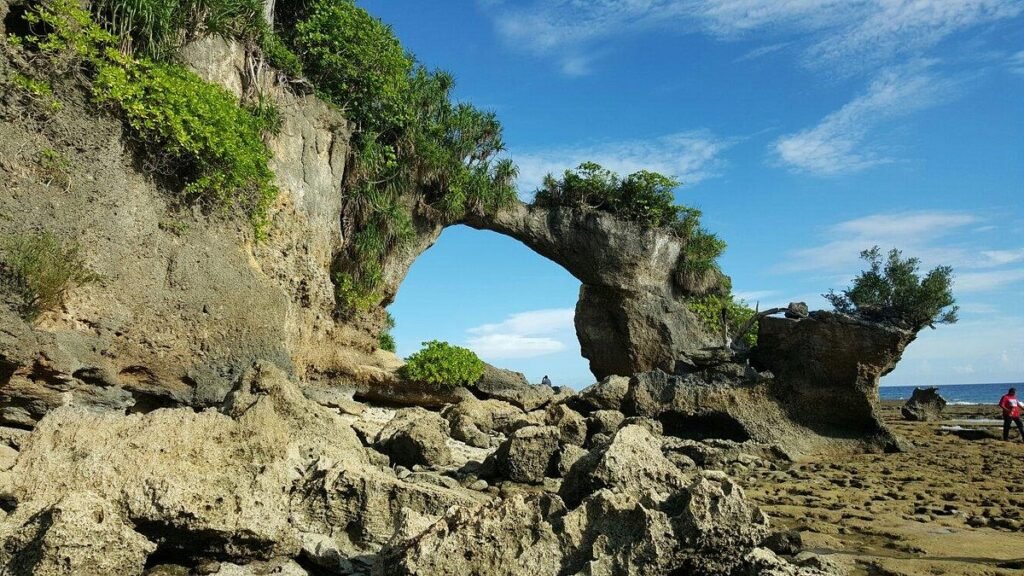
The Natural Rock Bridge on Neil Island (officially Shaheed Dweep) is one of the Andaman and Nicobar Islands’ most iconic coastal formations. Also called “Howrah Bridge” by locals, it’s a photogenic limestone arch set amid intertidal pools and living coral flats. Below are answers to the most common questions to help you plan a safe, responsible, and rewarding visit.
What exactly is the Natural Rock Bridge and why is it famous?
It’s a naturally sculpted limestone arch created by centuries of wave erosion on a coral-reef platform. During low tide, a maze of tide pools appears around the base, revealing colorful marine life. Its dramatic shape, easy access from the island’s main settlements, and golden-hour photo opportunities make it a must-see on Shaheed Dweep.
Where is it located on Neil Island?
The Natural Rock Bridge sits near Laxmanpur Beach No. 2 on the island’s western side, about 3–4 km from Neil Jetty.
How do I reach Neil Island (Shaheed Dweep)?
- From Port Blair: Take a government ferry or private catamaran to Neil Island. Sailing time is typically 1–2 hours, sea conditions permitting. Advance booking is recommended in peak season.
- From Havelock (Swaraj Dweep): Direct ferries connect to Neil Island in roughly 1 hour.
Getting to the Natural Rock Bridge on the island
- By auto-rickshaw/taxi: The most convenient option from the jetty or your hotel; a short ride to the parking area near Laxmanpur-2.
- By rented scooter/bicycle: Popular and budget-friendly. Roads are mostly flat.
- On foot: Around 30–45 minutes’ walk from the jetty, but the final approach is across uneven rocks.
Do I need a permit or ticket to visit?
- Entry fee: There is usually no formal ticket to see the Natural Rock Bridge. A nominal parking or local maintenance fee may sometimes be collected near the parking area.
- Permits: Neil Island is open to tourists. Foreign visitors complete standard immigration formalities upon arrival in the Andaman Islands. Regulations can change—check the latest advisories from the Andaman & Nicobar Administration or your operator before travel.
- ID: Carry a government-issued ID.
When is the best time to visit during the year?
- Season: October to April offers calmer seas and clearer skies. January–March is especially pleasant.
- Monsoon (May–September): Expect frequent rain and rough seas; ferries may be delayed or canceled. The site itself remains accessible when tides allow, but conditions are slippery.
What about the best time of day?
- Low tide is essential: Plan to arrive around 1 hour before low tide to explore comfortably and leave before the tide rises.
- Light and heat: Early morning and late afternoon are cooler and photogenic. Midday can be very hot and glary.
How do I check tide timings?
- Use reliable tide-chart apps or websites for “Neil Island” or “Port Blair” and adjust locally.
- Ask your hotel, ferry counters, or local guides—they usually track tides daily.
- Important: Start heading back as the tide turns to avoid getting cut off by incoming water.
How long should I budget for the visit?
Plan 45–90 minutes on-site, plus travel time. If you hire a guide to interpret marine life, allow a little longer.
Is the walk safe? What should I wear and carry?
- Footwear: Sturdy sandals or reef shoes with good grip. Avoid flimsy flip-flops; rocks are sharp and slippery.
- Clothing: Light, breathable clothes; hat and sunglasses.
- Essentials: Drinking water, small first-aid kit, reef-safe sunscreen, and a dry bag for electronics.
- Behavior: Walk carefully, step only on bare rock or sand, and follow the same path back.
Is it family-friendly and accessible?
- Families: Suitable for children under supervision. Teach kids not to touch marine life and to watch their step.
- Seniors: Manageable for active seniors, but the uneven intertidal rocks can be challenging. A walking stick helps.
- Wheelchairs/strollers: The intertidal approach is not wheelchair or stroller-friendly.
- Pets: Not recommended due to sharp rocks; if you go, keep pets leashed and carry waste bags.
Are local guides available? Should I hire one?
Yes. Local guides often wait near the entry during low tide and offer short tide-walks for a modest fee. They help with:
- Timing and safe route selection.
- Spotting and explaining marine species in tide pools.
- Sharing local history and photo tips.
Can I swim or snorkel there?
Not advisable. The area is rocky, water is shallow with live coral, and currents can be unpredictable. For water activities, head to Bharatpur Beach, which offers clearer sandy entries and organized operators.
What marine life might I see in the tide pools?
- Sea stars, sea cucumbers, sea urchins
- Small reef fish, anemones, hermit crabs
- Colorful algae and coralline structures
Do not touch or remove anything. Many species are protected. Sea cucumbers, in particular, are legally protected; harming or collecting them can attract penalties.
Are drones and professional photography allowed?
- Photography: Handheld cameras and phones are welcome. Be mindful of spray and slippery footing.
- Drones: Operating drones in the Andaman & Nicobar Islands generally requires permissions under Indian aviation rules and local regulations. Obtain approvals before flying and avoid wildlife disturbance.
What facilities are available on-site?
- Near parking: Small snack stalls, coconut water vendors, basic seating, and occasionally a public toilet.
- At the rock formation: No shops, shade structures, or lifeguards. No night lighting—carry a small torch if visiting near dusk (but plan to leave before dark).
- Waste: Bins may be limited. Pack out all trash.
Is there an entry fee or camera charge?
There is typically no official entry or camera fee specifically for the Natural Rock Bridge. A small parking/maintenance collection may be requested by local caretakers. Carry small cash.
Are there two natural bridges?
Yes. The well-known arch is often called “Natural Bridge 1.” A second arch (“Natural Bridge 2”) lies further along the shore and is usually accessible only at very low tide with extra care. Consult a local guide and check tide safety before attempting to visit the second arch.
What else can I see near the Natural Rock Bridge?
- Laxmanpur Beach No. 1: Famous for sunsets.
- Bharatpur Beach: Water sports, glass-bottom boats, and snorkeling operators.
- Sitapur Beach: Quiet sunrise views and dramatic coastline.
Suggested half-day itinerary
- Early morning: Natural Rock Bridge at low tide + tide-pool walk.
- Late morning: Relax and swim at Bharatpur Beach.
- Evening: Sunset at Laxmanpur Beach No. 1.
Responsible travel: Dos and Don’ts
- Do: Walk on bare rock/sand only; use reef-safe sunscreen; take your litter back; follow local signs.
- Don’t: Climb the arch, step on live coral, collect shells/marine life, or leave plastic behind.
- Note: Damaging marine life or littering can attract fines under environmental and wildlife laws.
What should I pack?
- Sturdy sandals/reef shoes, hat, sunglasses
- Reusable water bottle, light snacks
- Reef-safe sunscreen, small first-aid kit, insect repellent
- Camera/phone with a dry bag
How are the weather and connectivity?
- Weather: Hot and humid year-round; brief showers possible even in fair season.
- Connectivity: Mobile data has improved on the island but can be patchy around the rock bridge. Download offline maps and tide info in advance.
What about payments and cash?
Carry sufficient cash for small purchases and guide fees. ATMs exist on the island but may run out of cash or be offline. Digital payments (UPI/cards) work intermittently depending on network strength.
Is it a sunset or sunrise spot?
- Best light: Early morning or late afternoon, aligning with low tide.
- Sunset: Head to Laxmanpur Beach No. 1 for the classic sunset view; the arch area is more about low-tide exploration.
Can I visit during the monsoon?
Yes, but plan flexibly. Paths get slippery, seas rougher, and ferry schedules uncertain. Always prioritize safety and check conditions on the day.
Any rules or restrictions I should know?
- Respect signage and barriers; do not climb the arch.
- Do not touch, feed, or collect marine life; shell collection is restricted in the Andaman Islands.
- Drones need prior permission; avoid flying over people or wildlife.
Are emergency services available?
Neil Island has a primary health center and pharmacies in the main village. For serious emergencies, evacuation to Port Blair may be required. Keep your accommodation’s and driver’s contact numbers handy.
What languages are commonly spoken?
Hindi, Bengali, and English are widely understood. A friendly “Namaste” or “Nomoskar” goes a long way. Always ask before photographing people.
Quick tips for a smooth visit
- Check tides first, then plan transport and timing.
- Wear the right footwear; avoid rushing on slick rocks.
- Hire a local guide for safety and marine-life interpretation.
- Leave no trace—pack out everything you bring in.
In summary
The Natural Rock Bridge is a short, memorable excursion that showcases the living edge of the Andaman reef. Time your visit with the tides, tread lightly, and you’ll enjoy one of the archipelago’s most photogenic and educational coastal walks.